Acknowledgement
Our Centre gratefully acknowledges the generous sponsorship of the Simon K.Y. Lee Foundation, whose sustained support since 2019 has enabled the development, validation, and large‑scale dissemination of evidence‑based caregiver support services in Hong Kong.
From CSP 1.0 to CSP 2.0
The original Caregiver Support Project (CSP 1.0, 2019–2023) has developed and validated two strength‑based, empowerment oriented service models to support family caregivers of frail older adults. The first model is the Caregiver Support Model (CSM), which establishes a case management model driven by a validated Caregiver Needs and Resources Assessment tool (CNRA) enhancing caregivers' self-awareness through a spider web chart generated from the scores of CNRA. The second model is the Psycho‑education Programme on Empowerment (PP‑E) co-led by a dyad of trained social workers and caregiver leaders. Building on the positive evaluation outcomes of CSP 1.0, Caregiver Support Project 2.0 (CSP 2.0, June 2023–January 2026) has been launched to refine these service models (CSM 2.0 and PP‑E 2.0), adopt a train-the-trainer approach to embed them into routine practice across the social welfare sector.
Research team and partners
CSP 2.0 was led by a multidisciplinary team from Saint Francis University and City University of Hong Kong. Team members included the following:
• Prof. CHONG Ming‑lin, Alice (PI, SFU);
• Prof. LO Tit‑wing (Project Coordinator, SFU);
• Prof. LI Kin‑kit, Ben (PI, CityU);
• Prof. YEUNG Yuen‑lan, Dannii (Co‑PI, CityU); and
• Prof. CHIU Yu‑lung, Marcus (Co‑PI, SFU).
The project is implemented in close collaboration with nine NGOs in Hong Kong (namely, Baptist Oi Kwan Social Service, Caritas Hong Kong, Christian Family Service Centre, Hong Kong Christian Service, Hong Kong Family Welfare Society, Hong Kong Sheng Kung Hui Welfare Council Limited, Methodist Centre, Po Leung Kuk, and The Salvation Army).
Core interventions and tools
CSM 2.0 dissemination involves training front‑line social workers to deliver a structured, CNRA‑driven case‑management model, supported by systematic practice guidelines. An integrated online Case Management Platform and Resources Database consolidates community resources, provides secure different electronic case management forms, generates spider‑web charts of 5 caregiver needs and 7 resources, and embeds operational manuals and real‑time resource‑matching functions.
PP‑E 2.0 consists of 8 therapeutic sessions, and uses a co‑creation approach, preparing social workers and caregiver leaders as co‑facilitators through structured training and practicums.
How impact is measured
Social impact of this Project is assessed at multiple timepoints to get feedbacks from both social workers and caregivers. For CSM 2.0, social workers complete pre‑, post‑training, and post‑practicum assessments (T1–T3) on their willingness, attractiveness, and confidence in using CSM, while caregivers are evaluated at intake, mid‑term (3-4 months), and case closure on their 5 need and 7 resource domains using the validated Caregiver Needs and Resources Assessment (CNRA).
For PP‑E 2.0, pre-training, post-training and post-practicum measures (T1-T3) of empowerment, caregiving perceptions, and attitudes toward helping others are combined with data on social workers' confidence and caregiver leaders' role transition from service recipients to co-facilitators.
Impacts of CSM 2.0
A total of 46 social workers from nine NGOs completed a 48‑hour training and supervised practicum pathway, and 578 caregivers received CSM 2.0‑based support during the project period.
Social workers reported increased attractiveness, willingness, and confidence in implementing CSM across the three evaluation timepoints. They highlighted the CNRA and spider‑web charts as useful tools for engaging caregivers and prioritising interventions. Caregivers showed significant reductions in unmet needs across physiological, role‑conflict, care‑recipient, psychological, and social domains, with notable gains in healthy lifestyles and family support resources. Compared with CSM 1.0, CSM 2.0 produced more rapid and pronounced improvements in several areas.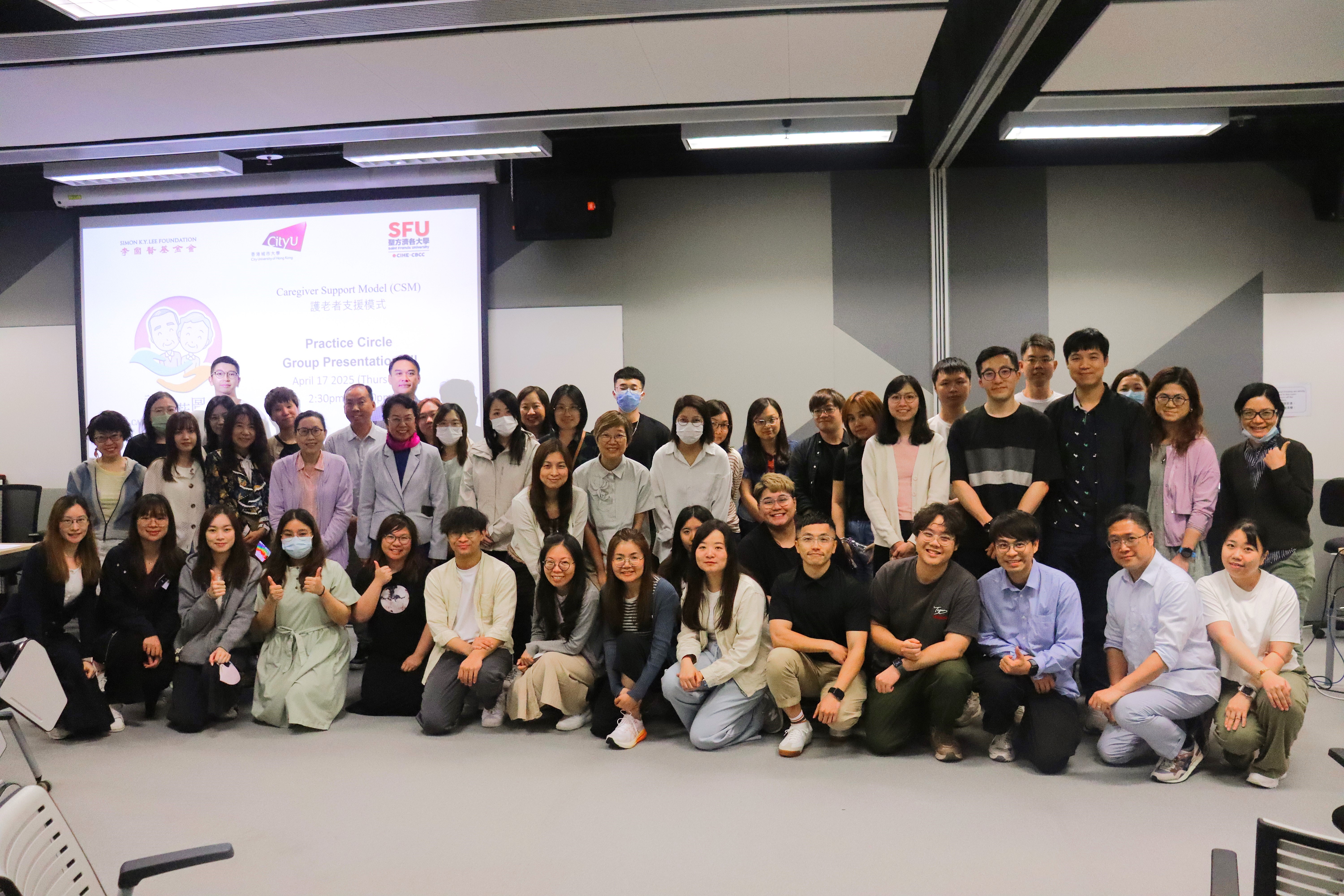
Figure 1. Group photos of trained social workers and trainers in CSM training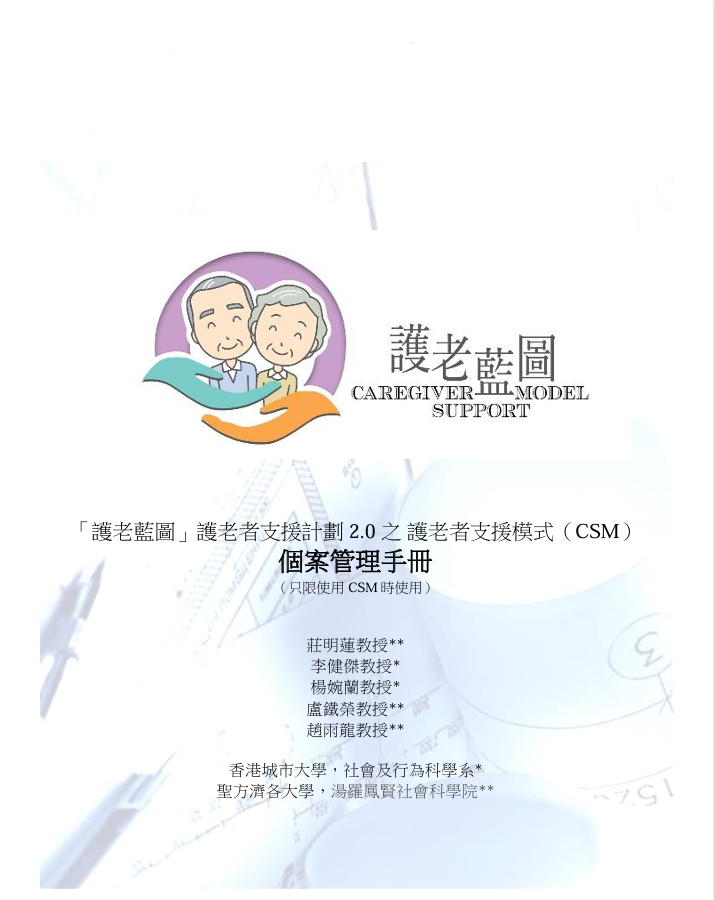
Figure 2. Operational manual of CSM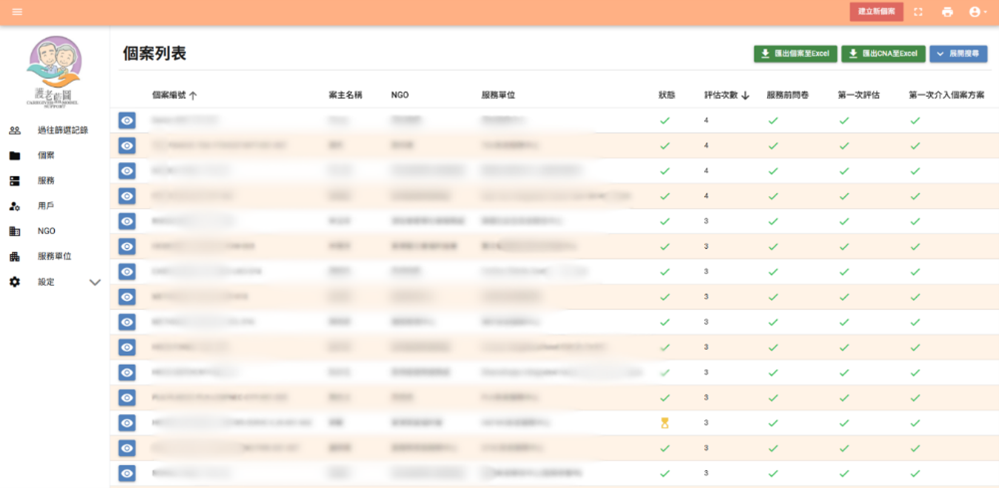
Figure 3. The user interface of online case management system
Impacts of PP‑E 2.0
PP-E 2.0 developed a pool of 24 PP‑E seed trainers (12 dyads of social workers and caregiver leaders) through 40 hours of basic training, supervised and non‑supervised practicums, and consolidation workshops. A total of 31 PP‑E groups (eight sessions each) were conducted by the 12 dyads supporting 241 caregivers.
Evaluation findings indicate small‑to‑moderate improvements in caregiver empowerment, caregiving perceptions, and willingness to help others. Social workers and caregiver leaders reported sustained increases in willingness and confidence to implement PP‑E, with supervised practice facilitating the successful transition of caregiver leaders into co‑facilitator roles and strengthening reflective, empowerment‑focused practice in the field.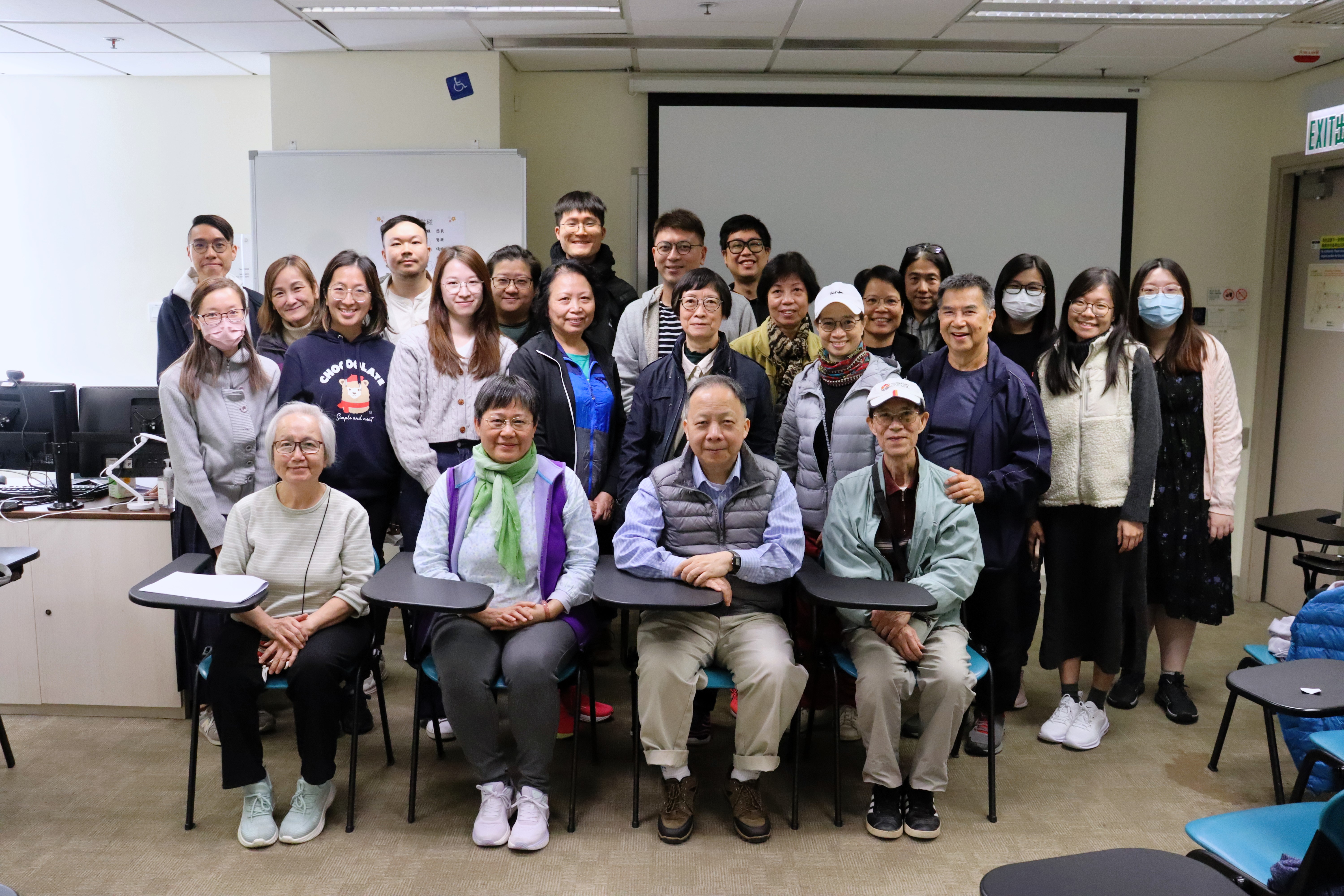
Figure 4. Group photos of trained social workers, carers and trainers in PP-E training
The seminar has attracted 13 educators from 7 universities/higher education institutions, 2 charity foundation members, 2 NGO colleagues, and 2 social workers to learn about the validated service models and explore their application in social work education/field.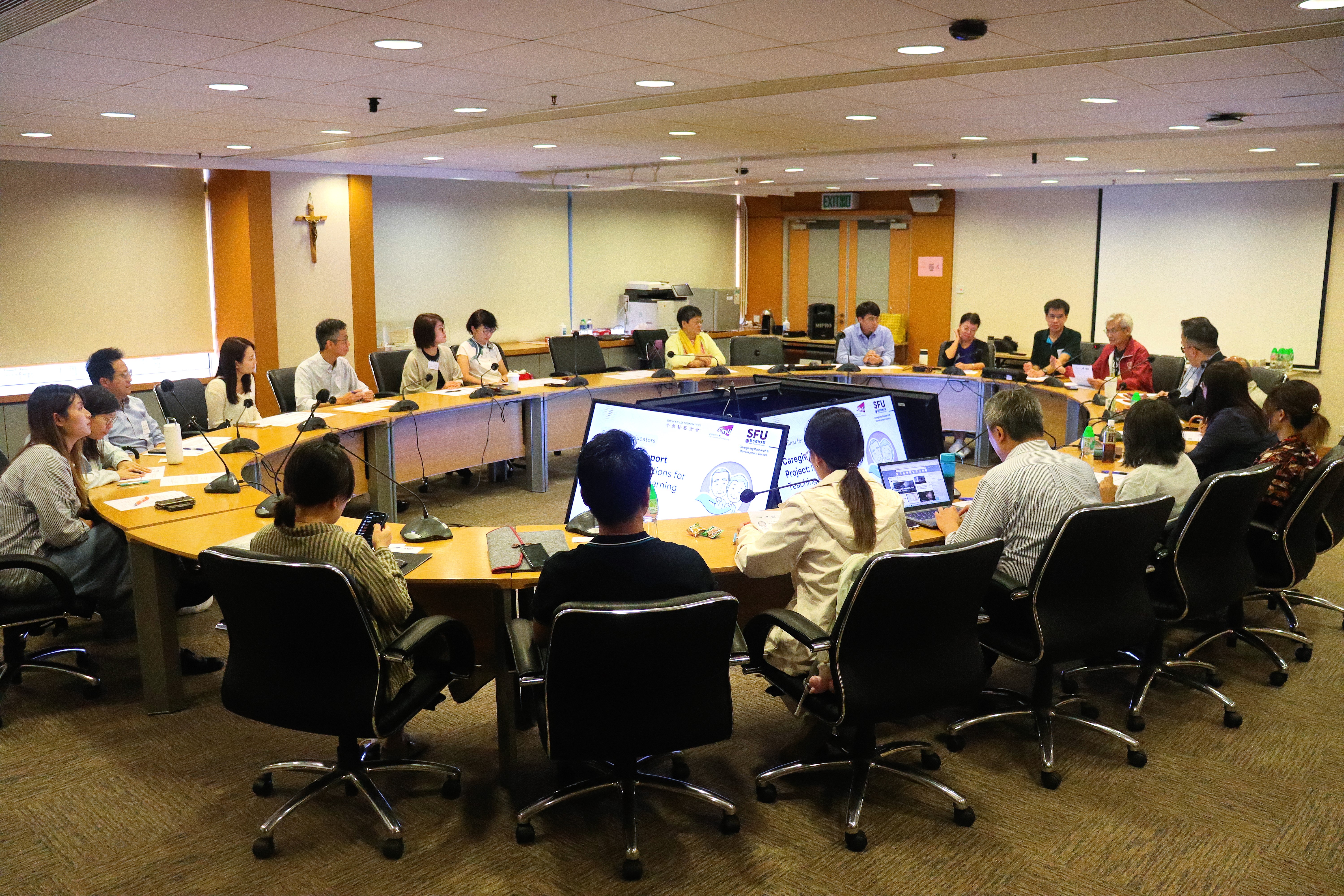
Figure 5. Educators engaged in discussion of the CSM and PP-E frameworks
The Symposium attracted over 300 guests including government officials, representatives from charity foundations and the 9 collaborating NGOs, researchers, academics, healthcare professionals, students and caregivers. The key officiating guests included Mr. Chris Sun, JP, the Secretary for Labor and Welfare, and Dr. LAM Ching choi, GBS, JP. Executive Council member. Both have given very high recognition of the effectiveness of CSM and PP-E.
Highlight video of the Milestones & Visions: Caregiver Support Project Symposium 2025 (please CLICK HERE to review the video)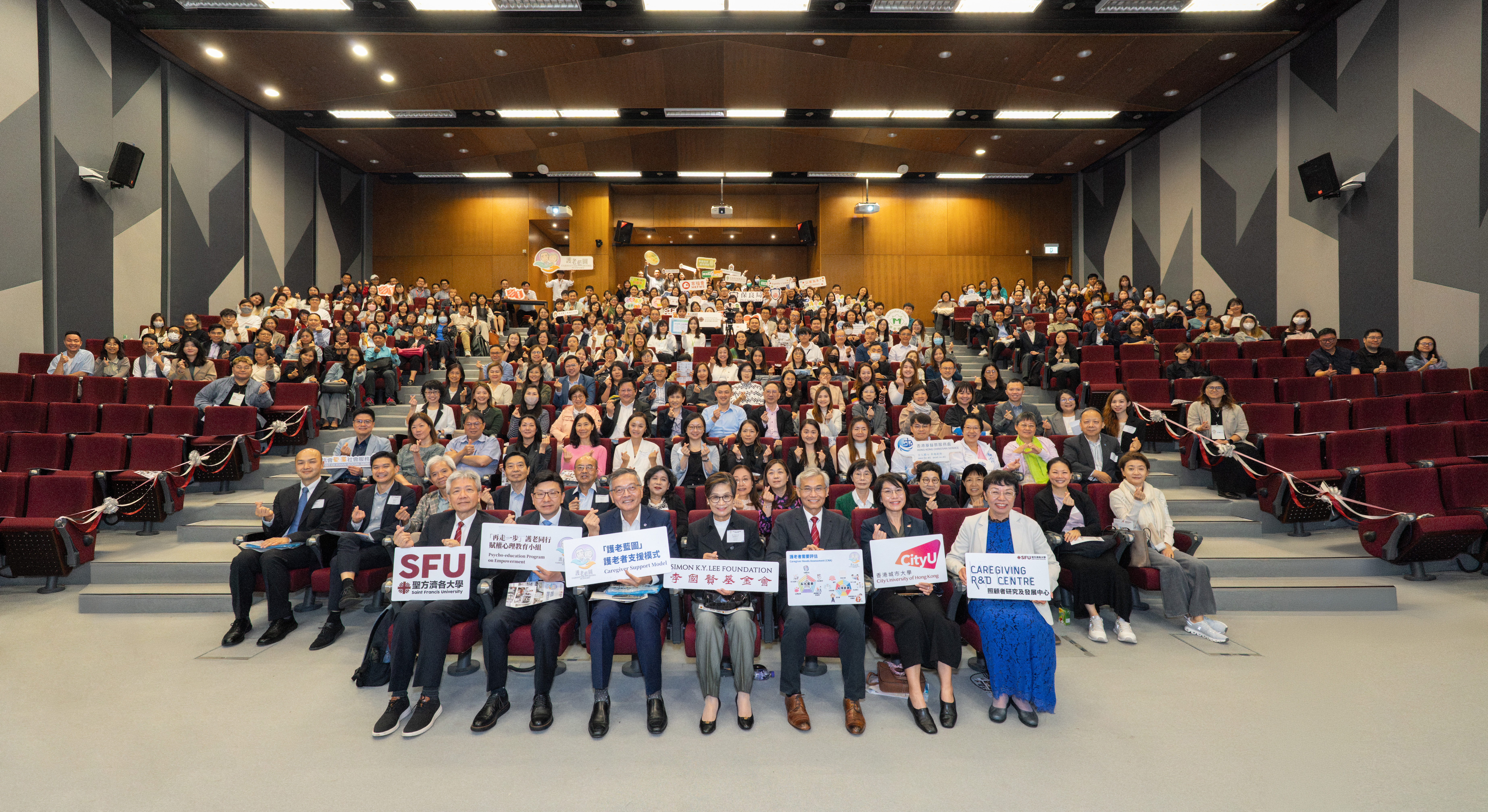
Figure 6. Group photos on the Symposium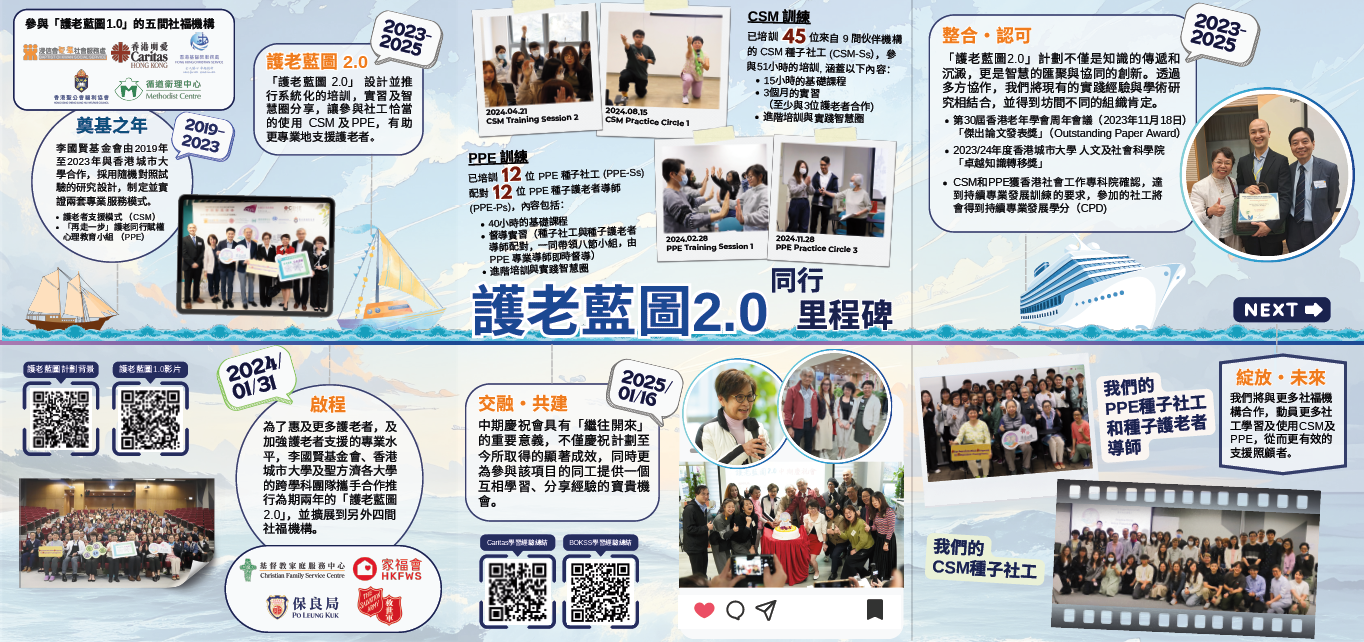
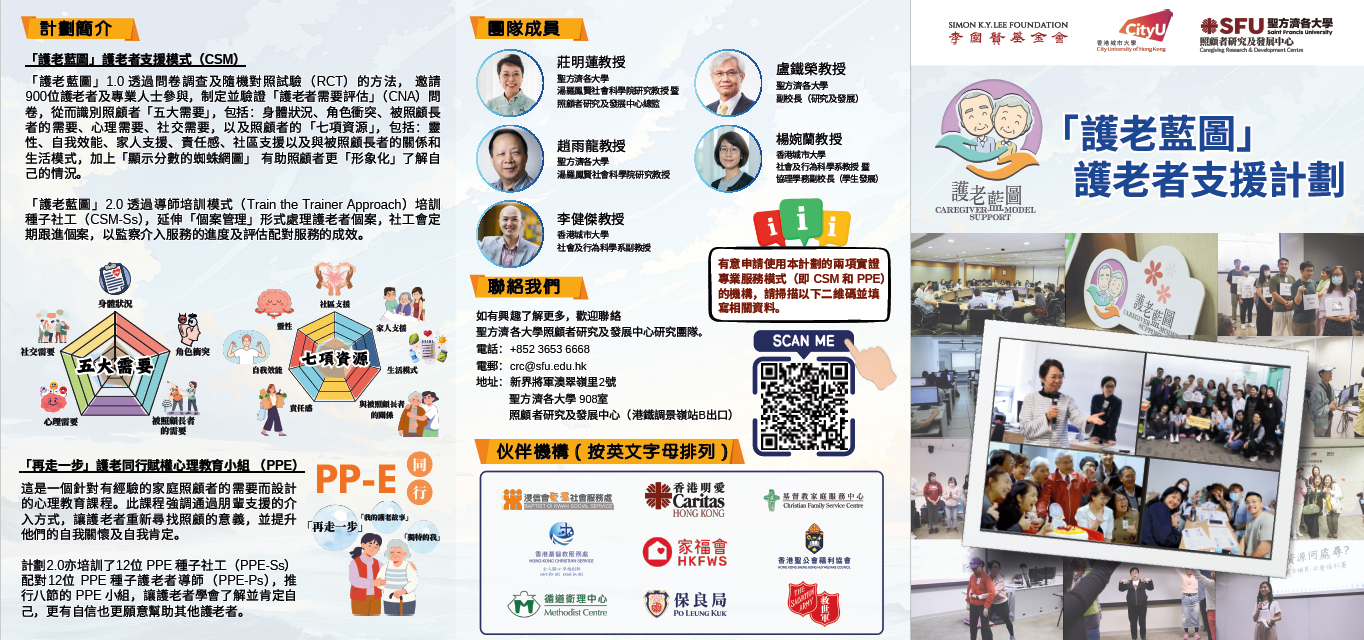
Figure 7. Milestone card about CSP 2.0
To access the milestone card in a higher resolution, please CLICK HERE.