Research Highlights
Research Highlights
Agricultural tourism for rural resilience: A sustainable livelihoods approach
Update as of 3 August 2026
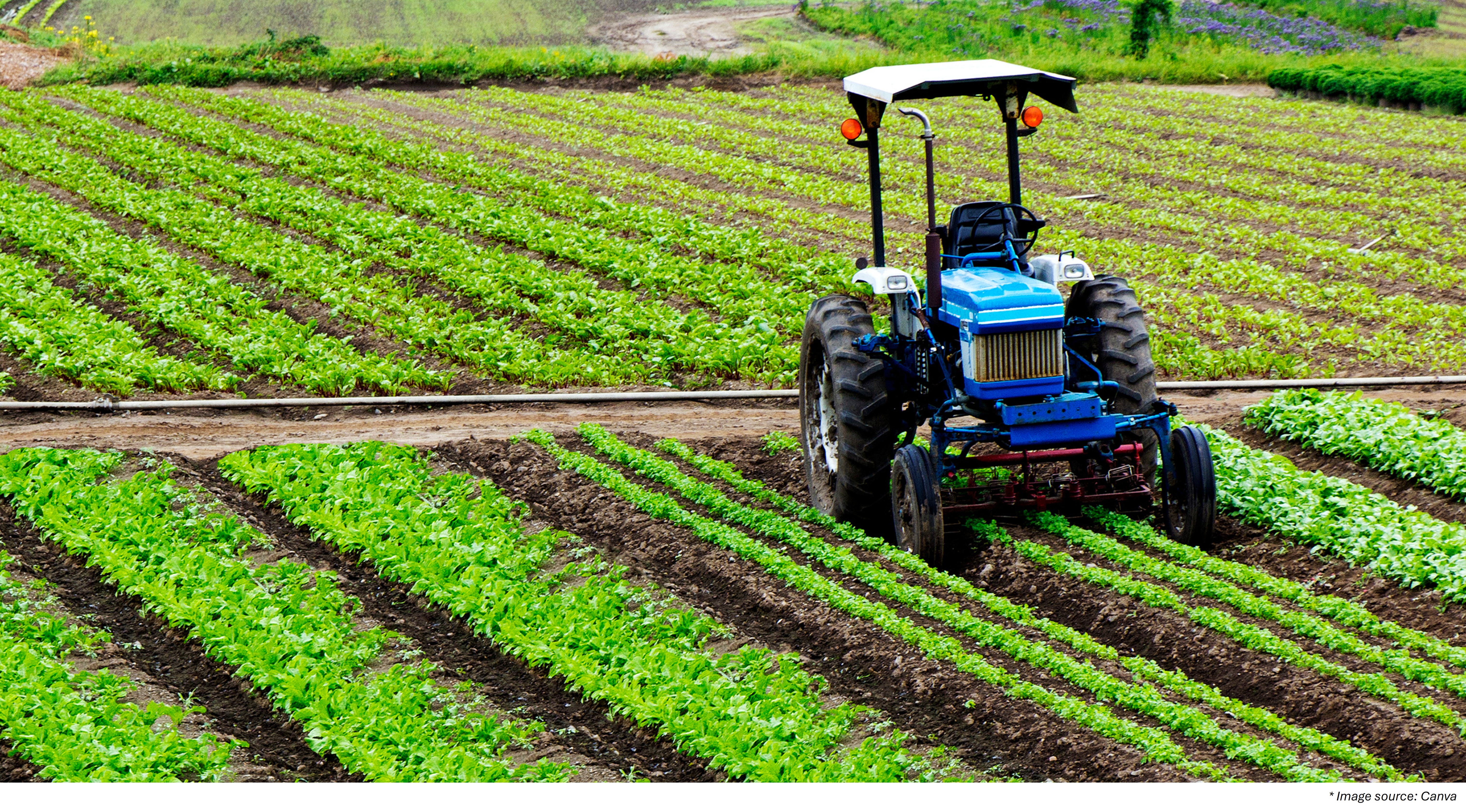
Rapid urbanisation has placed growing pressure on rural communities, affecting their economic viability, cultural heritage, and environmental sustainability. Many rural resilience initiatives remain shaped by top-down planning approaches, which may overlook local contexts and limit meaningful community participation. This study examines agricultural tourism as a strategy for strengthening rural resilience by mobilising local farming practices, cultural assets, and natural resources.
Although agricultural tourism has strong potential to support sustainable rural development, its relationship with the Sustainable Livelihoods Approach (SLA) remains underexplored, particularly in urban-adjacent rural settings. To address this gap, the study develops an enhanced framework that integrates the SLA with a two-dimensional assessment of livelihood diversity and livelihood freedom.
Using Lai Chi Wo, a traditional Hakka village in Hong Kong, as a case study, the research adopts a qualitative interpretive approach based on semi-structured interviews, field observations, and secondary sources. The study contributes to tourism and rural development research by refining the application of the SLA to agricultural tourism. Its findings offer practical insights for policymakers, communities, and tourism practitioners seeking to diversify livelihoods, preserve cultural identity, enhance biodiversity, and promote sustainable rural revitalisation.
Team Members:
- PI: Dr. LAI Tin Hang Michael, Rita Tong Liu School of Business and Hospitality Management, Saint Francis University
- Prof. VAFADARI Kazem, College of Sustainability and Tourism, Ritsumeikan Asia Pacific University, Japan
- Dr. LEE Yee Sum Louisa, Lee Shau Kee School of Business and Administration, Hong Kong Metropolitan University
- Dr. LAU Yan Lam Chammy, Division of Business and Hospitality Management, PolyU SPEED
Reference no.: UGC/FDS11/B04/25