Research Highlights
Research Highlights
Providing Clean Air to Breathe by Wet Electrostatic Precipitators
Update as of 3 August 2026
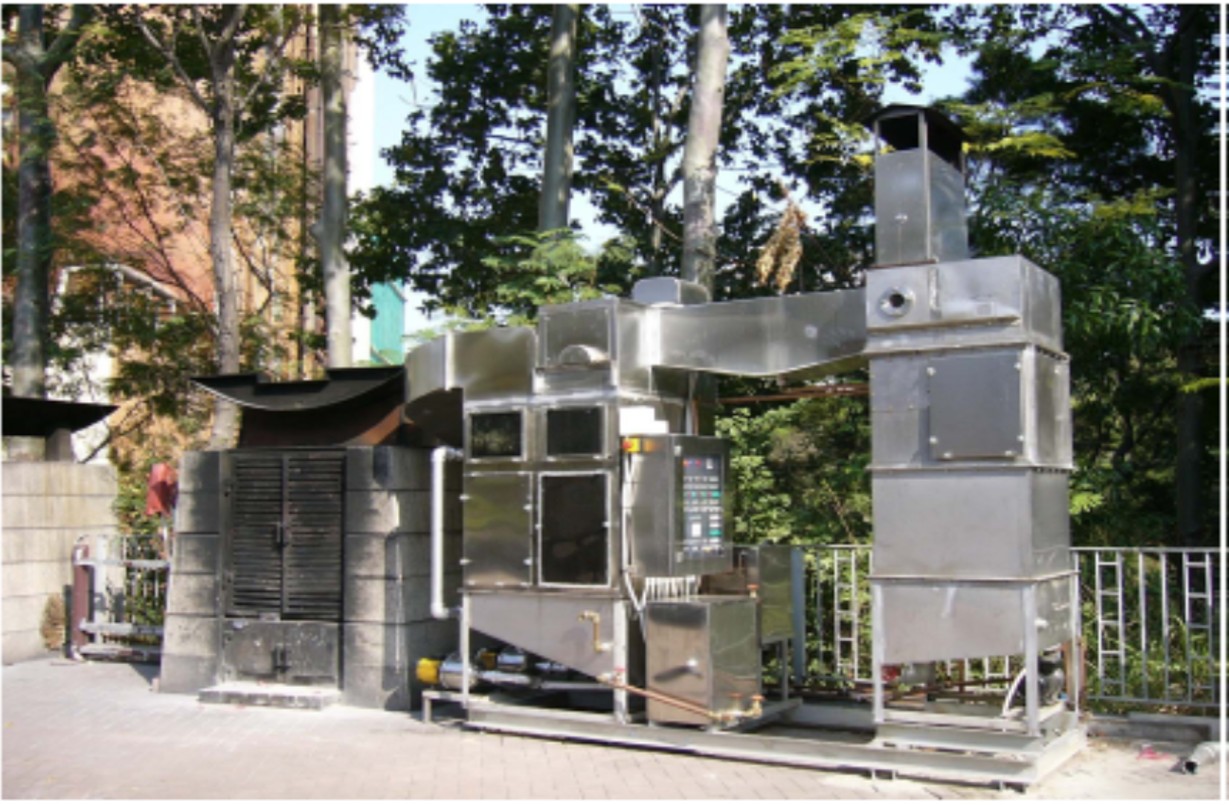
Approximately 600 temples, shrines, and monasteries are in Hong Kong, where incense burning and diesel-powered activities contribute to localized air pollution. This project addresses the need to reduce emissions while preserving cultural and religious practices through the development of an advanced self-cleaning wet electrostatic precipitator (WESP). The system’s performance is enhanced using computational fluid dynamics (CFD), charged water films, induced turbulence, and hydrophilic coatings to improve pollutant removal efficiency.
To overcome operational constraints, the bulky water-based cleaning mechanism is redesigned to incorporate vacuum air technology, reducing system weight and maintenance requirements. Heat generated by combustion processes is partially recovered to power the WESP, improving overall energy efficiency. Carbon is captured within collected fly ash and reused in concrete to enhance flow properties for construction applications.
Wastewater generated from the WESP process, containing high pollutant loads, is treated using supercritical water oxidation and bag filtration for safe recycling. The WESP is also integrated with air-handling systems for large-scale airborne disease mitigation and will be redesigned for use in ships’ and power generators’ diesel engines and localized solid waste incinerators. In summary, the project aims to balance freedom of worship and environmental protection, recover energy, enable carbon capture and sequestration, recycle wastewater, and disinfect air at scale.
Team Members:
- PI: Prof. LEUNG Yee Tak Andrew, Yam Pak Charitable Foundation School of Computing and Information Sciences, Saint Francis University
Reference no.: UGC/FDS11/E01/23