Research Highlights
Research Highlights
Elucidating the novel role of hypothalamic GLP-1 receptor system in mechanism of nausea and emesis in Suncus murinus
Update as of 3 August 2026
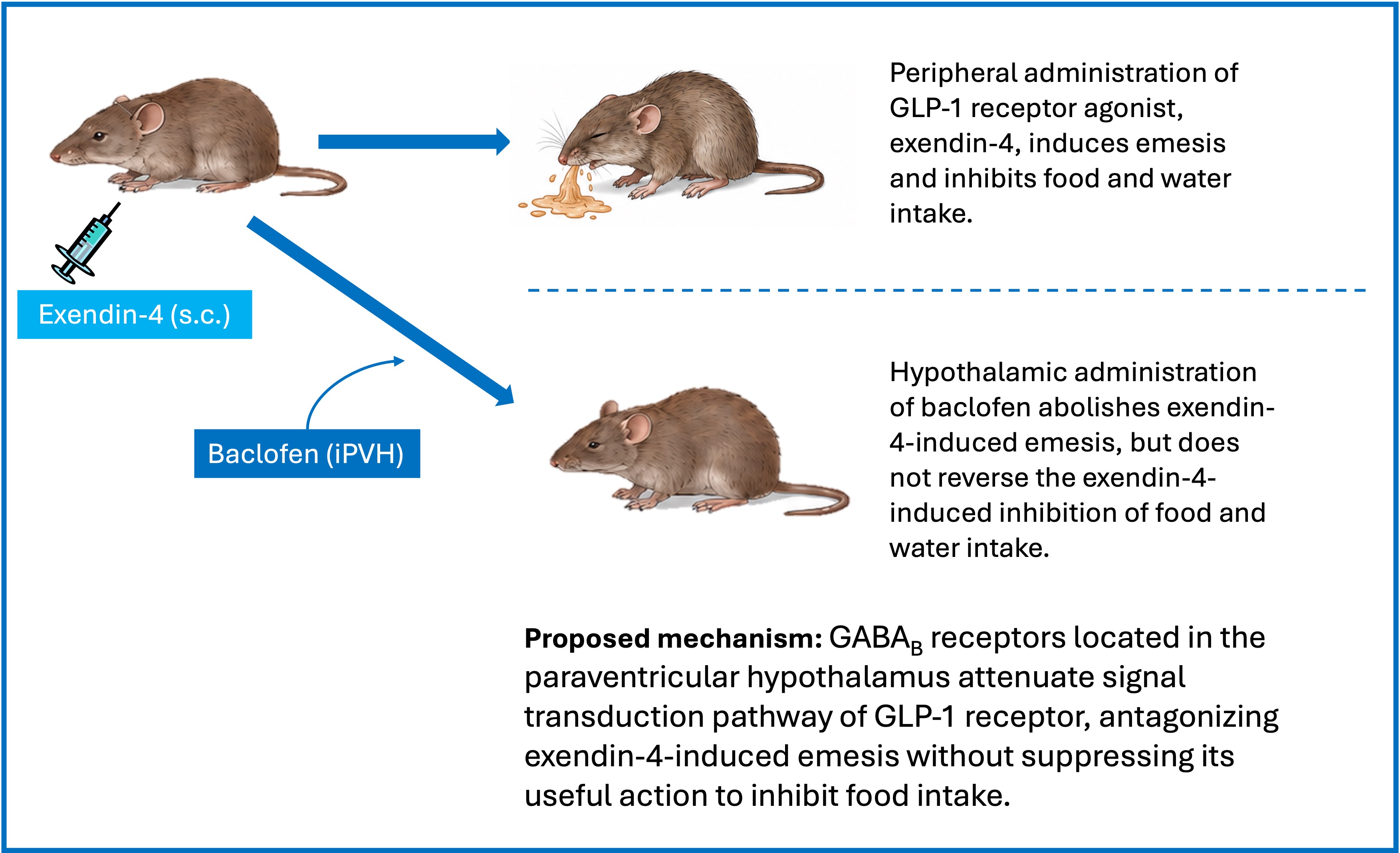
Diabetes and obesity have become a major global health concerns. Glucagon-like peptide-1 (GLP-1) receptor agonists are widely used in the treatment of type 2 diabetes because they regulate blood glucose levels by mimicking the action of the endogenous GLP-1 hormone to increase insulin secretion in a glucose-dependent manner. GLP-1 receptor agonists also promote weight loss and improve cardiovascular health. Nevertheless, their clinical use is often associated with gastrointestinal side effects, including nausea and emesis. The mechanisms underlying GLP-1 receptor agonist-induced gastrointestinal side effects remain poorly understood. Current research strategies elucidating emesis pathways and anti-emetic interventions have focused primarily on the brainstem vomiting center. Dr. Chan and her team investigated the role of the hypothalamic GLP-1 receptor system in feeding and emesis in an animal model capable of emesis. Their work demonstrated that GLP-1 receptors in the hypothalamus may be involved in emesis. In addition, they showed that activation of GABAB receptors in the hypothalamus can effectively reduce GLP-1 receptor agonist-induced emesis without suppressing its therapeutic action to inhibit food intake. These studies highlight the critical role of the hypothalamus in the mechanisms of emesis.
Team Members:
- PI: Dr. CHAN Sze-wa, S.K. Yee School of Health Sciences, Saint Francis University
- Prof. RUDD John Anthony, School of Biomedical Sciences, The Chinese University of Hong Kong
- Prof. CHAN Tak-wah Dominic, Department of Chemistry, The Chinese University of Hong Kong
Reference no.: UGC/FDS11/M03/22