Research Highlights
Research Highlights
Enhancing Learning in Nursing Education Through an Experiential Approach: The Utilization of Virtual Reality in Disaster Triage Management
Update as of 3 August 2026
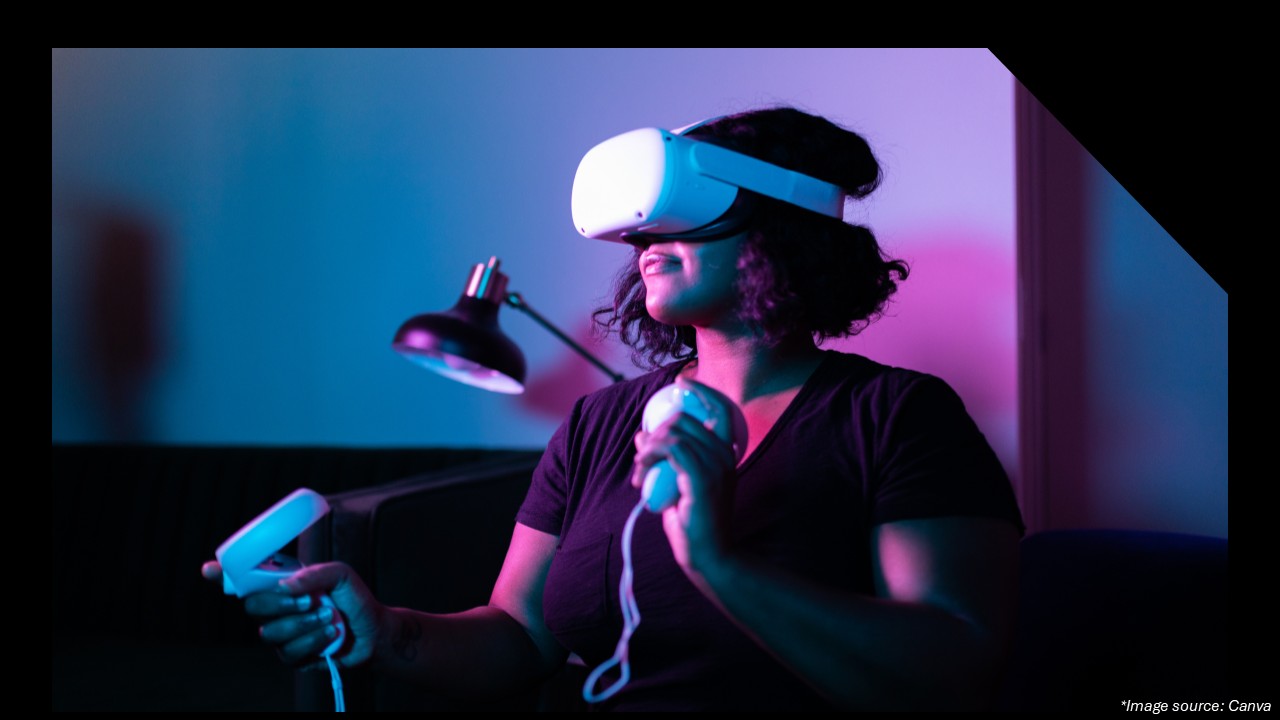
Virtual Reality (VR) education provides immersive, scenario-based learning in a controlled environment to support clinical reasoning and improve the learner’s experience. To enhance engagement and hands-on learning, a VR training for disaster triage was developed for undergraduate nursing students.
This study explored the effectiveness of experiential learning via VR in nursing education. It investigates nursing students' satisfaction, self-confidence and perceptions of using VR for learning. An exploratory sequential mixed-methods design was employed, incorporating lectures, VR training, and a workshop. Survey instruments were adapted from the Modified Student Satisfaction and Self-Confidence in Learning and the Modified Simulation Design Scale, which were administered to assess satisfaction, self-confidence, and perceptions of the VR content. Semi-structured interviews were conducted to further explore students’ learning experiences with VR.
Of 132 students enrolled in the Disaster Nursing Management course, 50 (38%) participated in the study. 89% of nursing students agreed or strongly agreed that VR learning enhanced their satisfaction and self-confidence. 84.5% agreed or strongly agreed with the simulation design in VR learning. Qualitative findings identified three themes: (1) VR as an effective and immersive supplementary learning tool for lectures, (2) VR as a catalyst for enhancing critical thinking, and (3) VR confined by technical limitations.
The findings suggest that disaster triage competence can be improved through practice. VR offers realism, urgency and opportunities for decision-focused practice in supporting triage categorization and critical reasoning. Integrating VR into nursing education may provide significant learning benefits, although the modest sample size limits the generalizability of the study.
Team Members:
- PI: Dr. MOK Lai Fong Annie, S.K. Yee School of Health Sciences, Saint Francis University
- Prof. CHAN Wing-keung David, S.K. Yee School of Health Sciences, Saint Francis University
- Prof. LOW Pau-le Lisa, S.K. Yee School of Health Sciences, Saint Francis University
- Dr. WONG Yat-cheung Maggie, S.K. Yee School of Health Sciences, Saint Francis University
- Ms. TSANG Yin-ching Diana, S.K. Yee School of Health Sciences, Saint Francis University
- Ms. WAN Wing-see Karen, S.K. Yee School of Health Sciences, Saint Francis University
- Ms. CHAN Chi-ping Joyce, S.K. Yee School of Health Sciences, Saint Francis University
Reference no.: IDG240107