Research Highlights
Research Highlights
Medical Assessment and Response by Small-unmanned-aerial-system (MARS)
Update as of 3 August 2026
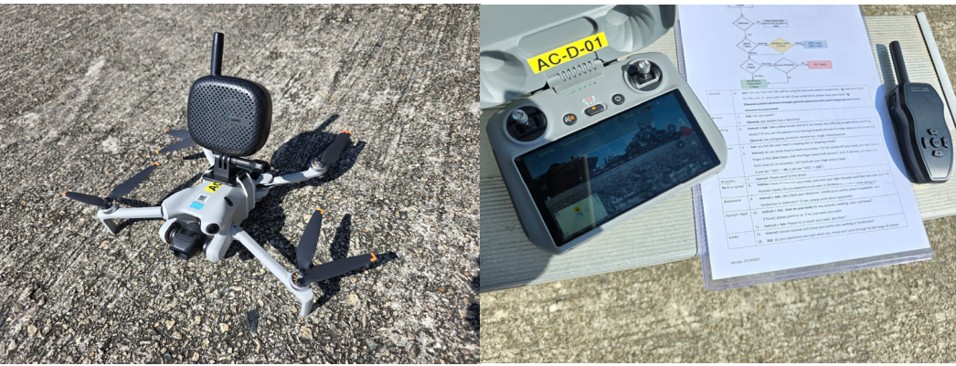
In emergencies, every second matters. Our research examines how drones can support rapid patient assessment, particularly in remote or hard to reach locations. By providing real time visual and critical health information, drones give first responders a valuable head start, enabling better preparation, faster decision making, and more effective care on arrival.
The successful adoption of this technology depends on public trust. Using the Technology Acceptance Model, our study identified the key factors shaping public acceptance of medical drones. The results show that people are more willing to support their use when they clearly see their life saving potential and have confidence that operations are safe, reliable, and well regulated.
This research delivers both strategic value and practical guidance. It highlights the significant potential of drones to enhance emergency response capabilities while offering clear direction for implementation. By confirming that perceived usefulness and safety are the primary drivers of trust, the study equips policymakers and emergency services with actionable insights.
Overall, this project provides a realistic pathway for integrating advanced technology into emergency systems, leading to faster response times, improved outcomes, and ultimately more lives saved.
>> Learn more
Team Members:
- PI: Dr. Alice YIP, S. K. Yee School of Health Sciences, Saint Francis University
- Dr. Chun Kit Jacky CHAN, Hong Kong Metropolitan University
- Ms. Zoe TSUI, S. K. Yee School of Health Sciences, Saint Francis University
Reference no.: IDG220201