Research Highlights
Research Highlights
The building and operation of transnational elder care network: a case study of left-behind elderly in Hong Kong
Update as of 3 August 2026
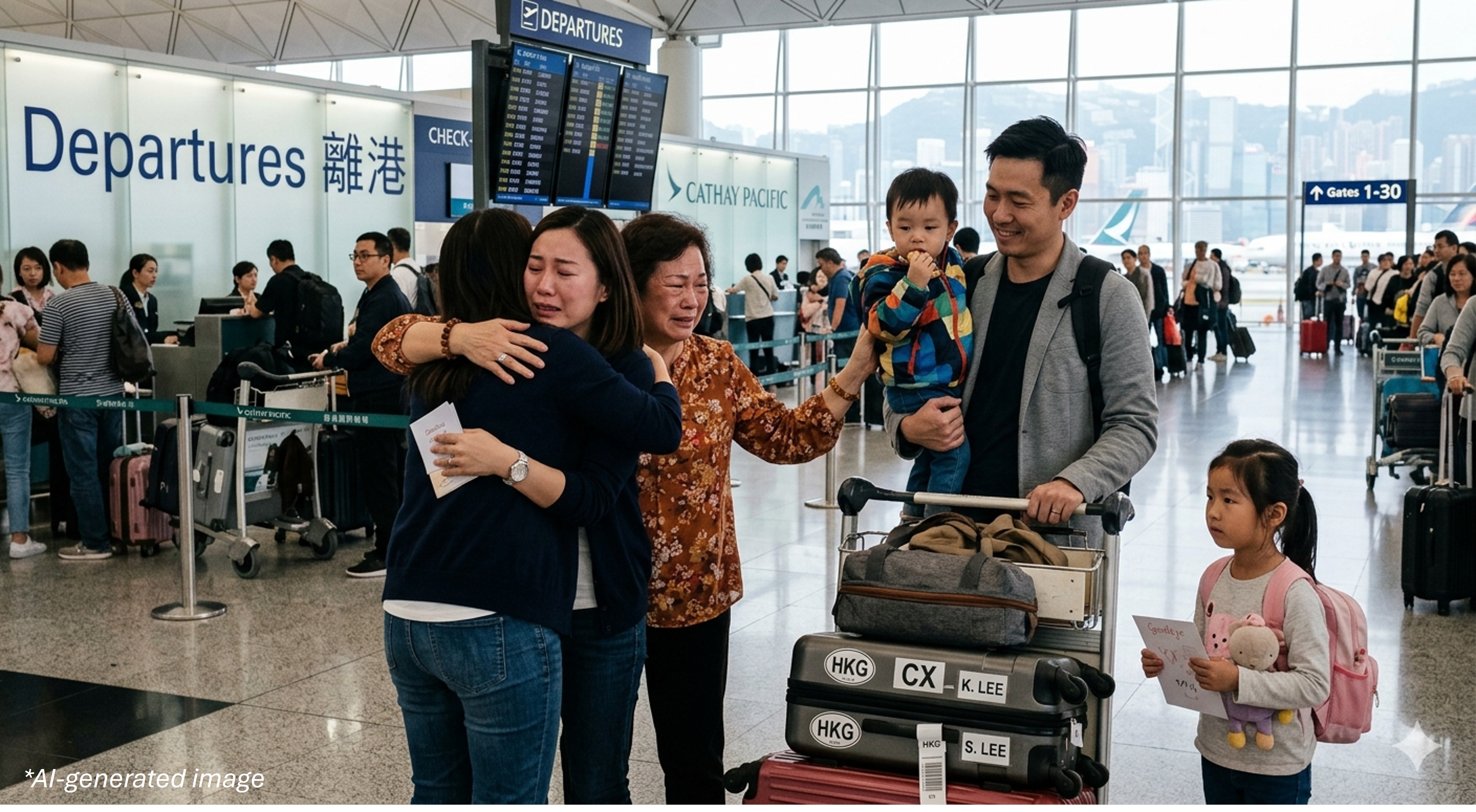
In recent years, Hong Kong has experienced significant out-migration, with over 222,000 residents relocating abroad. Many departing adults have left behind their elderly parents, leading to a growing number of older individuals who lack consistent physical and emotional support. This demographic shift has intensified concerns among policymakers, academics, and social service providers regarding the adequacy and sustainability of elder care arrangements.
Against this backdrop, this research examines how transnational elder care is organized and experienced within affected families. While existing literature indicates that migrants often establish cross-border care networks, there remains limited holistic understanding of how caregiving responsibilities are negotiated, particularly in identifying primary caregivers or supporting older adults with minimal or no kin ties. Building on these gaps, the study also explores how migrant adult children provide emotional care from a distance, respond to parental health crises, and manage associated psychological stress.
Guided by the concepts of “transnational kinscription” and economies of recognition, this research employs in-depth interviews with migrant adult children in the United Kingdom, their parents in Hong Kong, and other involved caregivers. The findings will contribute to migration and ageing scholarships and inform the development of evidence-based support services for left-behind older adults.
Team Members:
- PI: Dr. FUNG Ka Yi, Felizberta Lo Padilla Tong School of Social Sciences, Saint Francis University
- Prof. LAI Wan-foon Gina, Sociology, Hong Kong Baptist University
- Prof. TSUI Ming-sum, Felizberta Lo Padilla Tong School of Social Sciences, Saint Francis University
- Dr. CHAN Wing-sun, Division of Health Research, Lancaster University
Reference no.: UGC/FDS11/H10/23